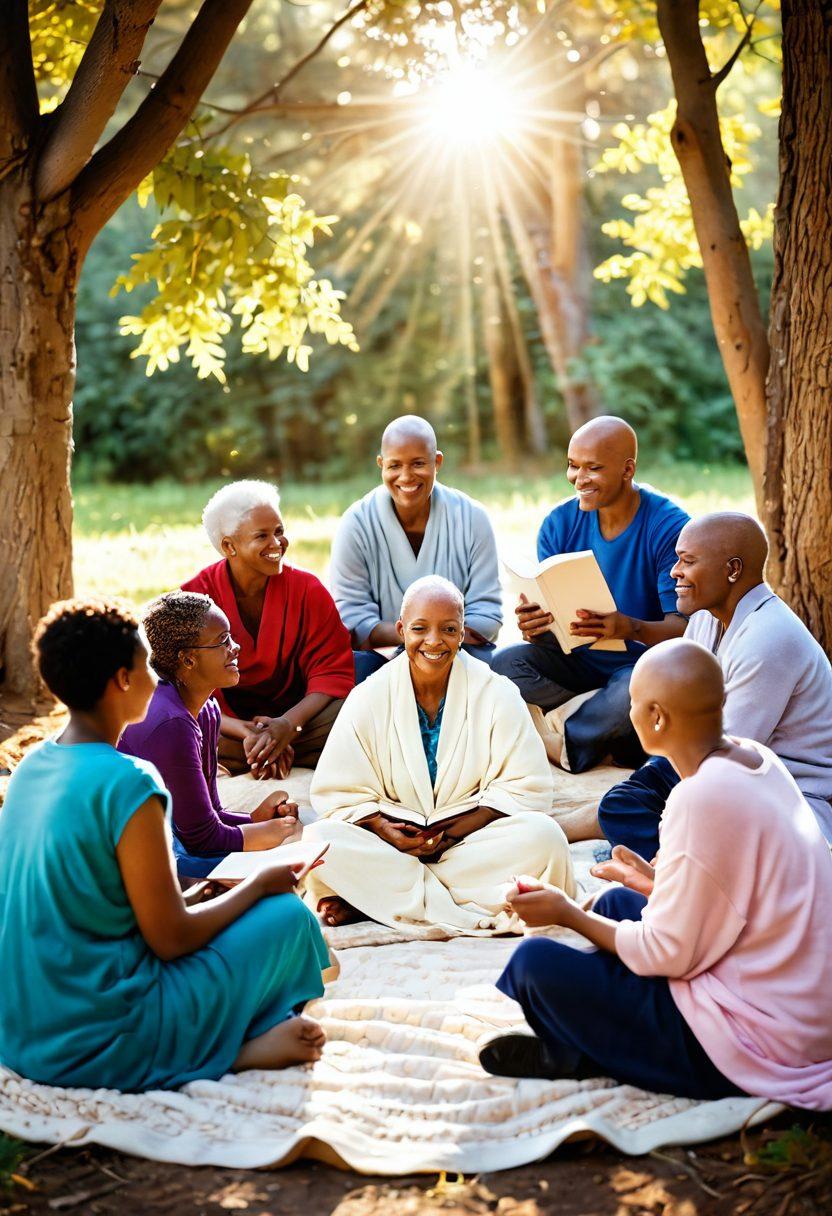
Empowering Wellness: Your Guide to Cancer Awareness and Survivorship
Navigating the complex landscape of cancer care can feel overwhelming, but you're not alone. Each year, millions are touched by cancer, be it through personal diagnosis or watching a loved one face the diagnosis courageously. As we grab hold of the reins in our health journey, it’s essential to embrace cancer awareness, promote early symptoms recognition, and learn about effective treatment options. After all, knowledge is power, and understanding your choices empowers you to navigate this journey with grace and strength. So, how do we begin?
It all starts with education. Being informed about the symptoms and diagnosis is crucial. Early detection can significantly impact the outcome of treatment. Everyone has different risk factors, and recognizing early warning signs can make all the difference. From unexpected weight loss to persistent fatigue, being vigilant about your body can lead to timely consultations with oncologists. It's a leap of faith to trust your instincts and seek help, but remember: each step taken is a step toward empowerment! Have you checked in with your body recently?
When it comes to treatment options, the array of choices can feel like a maze with no clear exit. Traditional medicine often partners with burgeoning fields like alternative therapies, creating a tapestry of potential paths one can take. From chemotherapy and radiation to the exploration of clinical trials or nutritional support systems, possibilities abound. The key is to have candid conversations with your healthcare team, exploring each path thoroughly. Engaging in patient advocacy and joining cancer support groups can provide insider perspectives, bridging the gap between information and experience. Have you considered which treatment option feels like the best fit for you?
But treatment doesn't end when the last dose is administered. The journey of survivorship begins as one learns to embrace 'life after cancer.' This transition can be rife with a spectrum of emotions—relief, fear, and everything in between. Psychosocial support becomes a robust pillar during this phase, as sharing experiences within cancer support groups creates a camaraderie that can lift spirits. Discussing lifestyle changes can assist in fostering long-term wellness, making allowances for nutritious meals and physical activity that not only feed the body but heal the soul. How can you build a post-cancer life that empowers you?
Finally, staying updated on cancer care and available treatment options is imperative. The world of oncology is ever-evolving, filled with new cancer updates and research around survivorship, prevention, and wellness. Engaging with health information through medical blogs, and credible resources keeps you informed and involved. As we traverse through this journey together, let us continue to engage in conversations, share experiences, and champion each other towards a healthier, cancer-informed future. Are you ready to be a proactive participant in your own wellness narrative?
Building Resilience: The Role of Support Groups in Cancer Survivorship
In the ever-evolving landscape of oncology, where hope and despair often dance a delicate tango, there exists a beacon of light for cancer survivors: support groups. From the very onset of a cancer diagnosis, the feeling of isolation can be overwhelming. At that moment, a crucial question looms: How does one navigate the tumultuous waters of survivorship? The answer may lie in building resilience through the power of community and shared experiences. In this health blog, we will explore the indispensable role that cancer support groups play in fostering not just recovery, but an enriched life beyond the illness.
Picture this: Emily, a vibrant 35-year-old mother of two, recently received the life-altering news that she has breast cancer. Fear grapples with her dreams, and she feels like a ship adrift in a stormy sea. It wasn't until she joined a cancer support group that she discovered the strength in vulnerability. As she shared her journey, she found others who echoed her fears and triumphs, creating a safe harbor where healing could thrive. "You are not alone in this fight," the group facilitator told her, and those words resonated deeply. Support groups can help demystify the journey of cancer care and provide essential psychosocial support. How can you find a community that uplifts you in your own journey?
Support groups serve as more than just voice boxes for the experienced; they are sanctuaries for patient education and empowerment. Being surrounded by those who truly understand the symptoms and diagnoses can foster invaluable health information and knowledge. In these spaces, members share their own journeys through treatment options, nutritional support, and even alternative therapies. They serve as living testimonials of hope, allowing conversation around cancer awareness to flourish. Think about this: What if someone in your support group tried a clinical trial that opened doors to new methods of treatment? The possibilities in these discussions can provide valuable insights, shaping the decisions that each member makes regarding their health and wellness.
But it’s not just about the physical aspects of survivorship; it’s also about lifestyle changes, emotional healing, and finding joy in small victories. Support groups encourage members to share not just their struggles but their victories too, and this can lead to a sense of camaraderie that bolsters one’s resolve. How do you celebrate the little things in your recovery? Perhaps it’s that first cup of coffee you enjoy after a difficult day of treatment or a walk in the park that uplifts your spirits. These shared moments create a tapestry of resilience that defines survivorship.
In the realm of cancer survivorship, the importance of patient advocacy is often understated. By speaking openly and boldly about their experiences, support group members can influence cancer care policy and improve the resources available to future patients. This isn't just about individual healing; it's about being a catalyst for change. The question remains: how will you carry this message forward in your community? Embracing the journey and taking actionable steps in advocacy can redefine what it means to live well after cancer, illuminating paths of wellness far beyond the diagnosis. With each story shared and each triumph celebrated, support groups not only heal individuals but also sow the seeds of hope within the very fabric of society.
Empower Your Health: Lifestyle Changes for Cancer Prevention and Wellness
In the journey of life, we all strive for wellness, balancing the demands of our bodies and minds while facing life's many challenges. For those impacted by oncology, whether as patients or caregivers, the need for empowerment becomes even more crucial. Cancer awareness is not merely about knowledge; it is about action, making informed decisions that foster resilience and health. This blog aims to provide valuable insights on how lifestyle changes can bolster your wellness, paving the way for a brighter, healthier future. So, what does it mean to truly empower your health?
Let’s begin with the transformative power of lifestyle changes in cancer prevention. Imagine if you could shift the odds in your favor through simple daily choices. Nutrition, physical activity, and stress management play pivotal roles in not only preventing cancer but also enhancing survivors’ quality of life. According to cancer care experts, a balanced diet rich in fruits, vegetables, and whole grains can significantly lower cancer risks. Have you ever considered how foods could be your allies in health?
Now, let’s talk about community support. Joining cancer support groups is not just about sharing experiences; it's a potent way to gain strength and knowledge. Engaging with others who understand your journey can uplift your spirit and provide valuable health information. Think about this: what if a conversation in a support group could lead you to discover a new treatment option or alternative therapy that could enhance your health? The psychosocial support these groups provide can make all the difference. Together, we can navigate the waters of survivorship, sharing tips, and encouraging each other on our paths to wellness.
Patient education is another pillar we mustn't overlook. With the evolution of treatment options from clinical trials to alternative therapies, understanding what's available empowers you to make informed choices. Do you keep up with the latest cancer updates? Whether it's breakthrough treatments or nutritional support practices, being informed enhances your advocacy for yourself or a loved one. This knowledge empowers you to ask the right questions to your medical team, ensuring you never feel alone or uninformed during the treatment process.
Lastly, remember that our wellness journeys are uniquely personal. What works for one person may not work for another. But by committing to lifestyle changes, participating in cancer support groups, and prioritizing patient education, you can take control of your health narrative. Reflect on this: What empowering change can you implement today that will resonate for a lifetime? By embracing these actions, you're not just fighting cancer—you're embracing survivorship and living life to its fullest. So, let’s take these steps together and empower our health, one meaningful choice at a time.